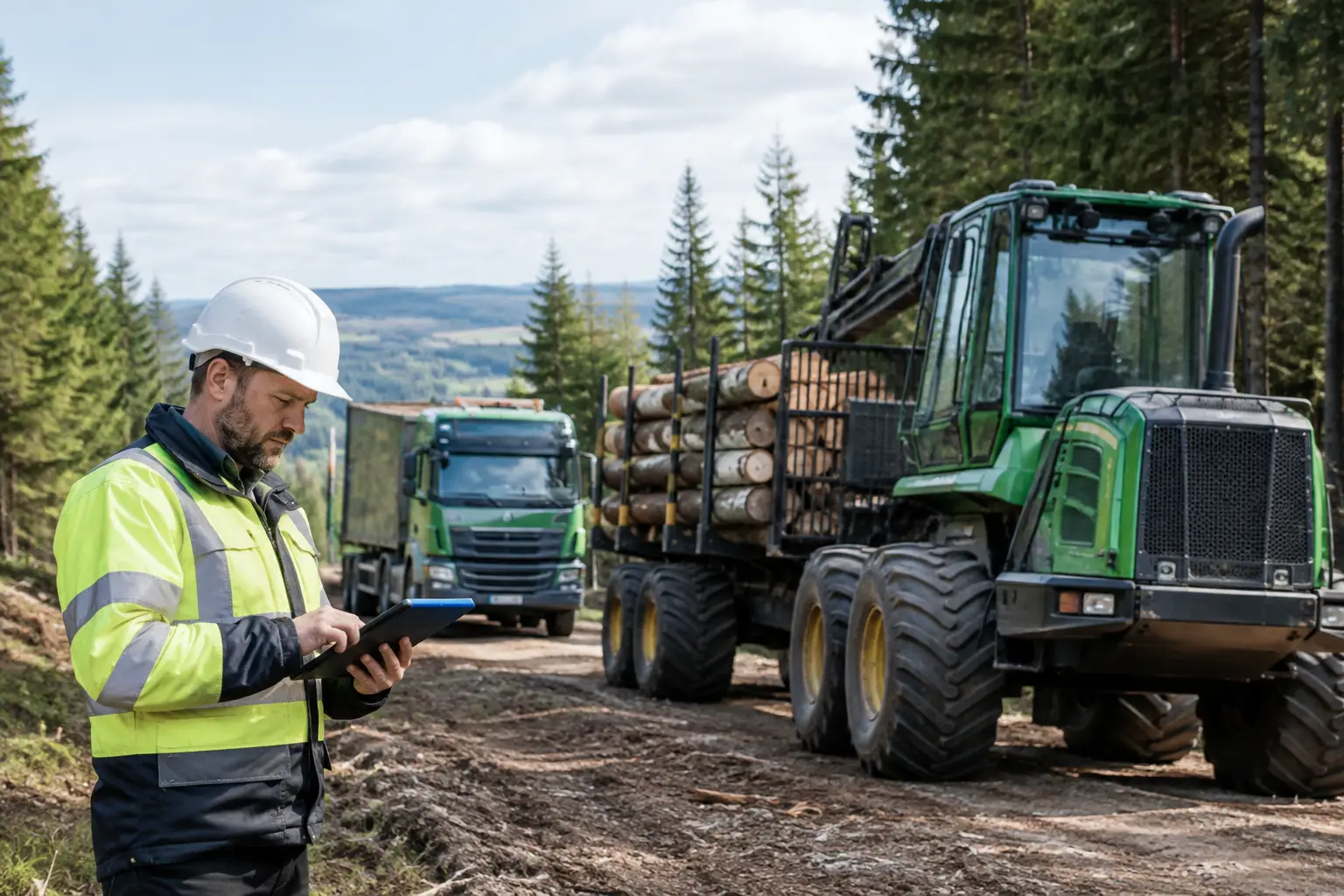
How Many Vehicles for Fleet Insurance Do You Need?

A business with two vans can face the same renewal dates, driver checks and claims questions as a business with 20. That is why the answer to how many vehicles for fleet insurance is not always as simple as it sounds. In many cases, fleet cover can begin with as few as two vehicles, but each insurer sets its own rules and the right option depends on what you operate, who drives and how the vehicles are used.

For a growing business, moving from separate policies to one fleet policy can reduce administration and give you a clearer view of cover across the operation. It can also make adding or replacing vehicles more straightforward. The key is to compare the policy structure, not just the vehicle count.

How many vehicles do you need for fleet insurance?

Many UK insurers will consider fleet insurance from two vehicles onwards. Others may require three, four or more vehicles, particularly where the risk involves high-value vehicles, specialist use or drivers with limited experience. There is no single legal definition of a fleet, and there is no universal minimum set across the insurance market.

The vehicles do not always need to be identical. A small construction firm might insure two vans and a pickup. A care provider could have company cars alongside accessible minibuses. A rural business may need vans, tractors and trailers considered under a wider commercial arrangement. Whether these can sit on one policy depends on the insurer’s underwriting appetite and the details of the risk.

It is also worth remembering that vehicle ownership alone does not decide eligibility. Insurers will usually want to understand whether vehicles are owned, leased, hired or operated under a contract, as well as how often they are used and where they travel.

Two vehicles may be enough

If you operate two vehicles for business purposes, fleet insurance may be available and worth considering. This is often relevant for trades, delivery businesses, sales teams and service companies that have outgrown a single van policy but do not yet see themselves as a traditional fleet.

A two-vehicle fleet policy can provide one renewal date and one set of core policy documents. It may also allow for a consistent approach to driver eligibility. However, it is not automatically cheaper than arranging two individual policies. A specialist comparison should look at the total premium, excesses, permitted use, driver restrictions and the practical value of having the cover in one place.

Larger fleets bring different considerations

Once a business runs several vehicles, the administrative case for fleet cover often becomes stronger. Adding a vehicle mid-term, changing registrations, managing claims records and checking renewal dates can become time-consuming when every vehicle has its own policy.

For larger fleets, insurers may assess claims history, driver age profiles, annual mileage, overnight parking, postcode areas and risk management controls in more detail. Courier work, hire and reward, passenger transport, haulage and hazardous or specialist activity can require particularly careful placement. A low vehicle count does not necessarily mean a simple risk.

What vehicles can be included on a fleet policy?

The range of vehicles matters as much as the number. Subject to insurer acceptance, fleet insurance can often be arranged for a mixed selection of commercial vehicles, including:

  • Cars used by directors, sales teams or field engineers
  • Vans for trades, service work, deliveries or mobile operations
  • Lorries, HGVs and articulated vehicles
  • Courier and hire-and-reward vehicles
  • Minibuses and other passenger-carrying vehicles
  • Pickups, agricultural machinery, forestry vehicles, trailers and plant

Not every insurer will accept every combination. A policy that works well for three electricians’ vans may not be suitable for a business operating a tipper, a courier van and a minibus. This is where clear information at quotation stage makes a difference. It helps ensure the insurer understands the real use of each vehicle rather than relying on broad assumptions.

When fleet insurance can make sense

Fleet insurance is often a good fit when your business needs a more manageable way to insure multiple vehicles. One policy can simplify administration, especially where vehicle changes are frequent or several people are responsible for keeping insurance records up to date.

It can also suit businesses that need flexibility around drivers. Depending on the policy, you may be able to insure named drivers, any driver meeting agreed criteria, or a combination of both. Any-driver cover can be useful operationally, but it is usually more expensive and may include age, licence or experience restrictions. It should only be selected where the business genuinely needs it.

The decision should also take account of how your fleet is developing. If you expect to add another van in the next few months, a fleet arrangement may avoid having to manage a patchwork of standalone policies. If you only run two low-mileage vehicles with fixed drivers, separate cover may still be competitive. The most suitable answer is based on the full cost and cover position, not a rule of thumb.

Information insurers will ask for

Before offering terms, insurers generally need a clear picture of the fleet and its day-to-day operation. Preparing this information can speed up the quotation process and reduce the risk of gaps or misunderstandings later.

You will usually be asked for vehicle registrations, makes and models, estimated annual mileage, business use and where each vehicle is kept overnight. Insurers will also need driver details, including ages, licence information, convictions, claims and experience relevant to the vehicles being driven.

For some sectors, further details are essential. A courier operator may need to confirm delivery areas, parcel types and hire-and-reward use. A haulier may need to explain goods carried, operating radius and whether drivers work overnight. A minibus operator may need to confirm passenger use. Being precise is not just a quoting exercise – it helps arrange cover that reflects the work your vehicles actually do.

Do leased and hired vehicles count?

They can, but the policy must be arranged correctly. Leased vehicles are commonly included on fleet policies, subject to the agreement and insurer approval. Short-term hired vehicles may need specific hired vehicle cover rather than simply being added as permanent fleet vehicles.

Do not assume a replacement vehicle, demonstrator or hired van is automatically covered. Ask how temporary additions are dealt with, the time limits that apply and whether there are restrictions on value or vehicle type.

How to compare fleet insurance properly

Premium matters, but the lowest figure is not always the most useful outcome when a vehicle is off the road or a claim is disputed. Compare the scope of cover alongside the price. Third party only, third party fire and theft, and comprehensive cover provide different protection, while extras such as legal expenses, breakdown assistance, windscreen cover and replacement vehicle arrangements vary by policy.

Look closely at excesses too. A lower annual premium can come with a higher accidental damage, young driver or theft excess. For a business operating several vehicles, those costs can add up quickly after an incident.

Claims support is another practical consideration. Ask how claims can be reported, what happens outside normal office hours and whether you will have a clear point of contact. Fast reporting and accurate information can help get repairs, recovery or replacement arrangements moving sooner, which matters when a vehicle earns its keep every day.

An independent specialist can review options across a broader panel and explain the differences in plain English. Fleet Brokers can help businesses assess whether a two-vehicle policy, a larger mixed-fleet arrangement or separate policies best suits their operation.

Common questions about fleet vehicle numbers

Can I get fleet insurance for one vehicle?

Fleet insurance is generally designed for multiple vehicles, so a single vehicle will usually need a commercial vehicle or business car policy instead. If you are planning to add another vehicle soon, it may still be sensible to discuss your expected growth when arranging cover.

Must all vehicles belong to the same company?

Usually, insurers expect the vehicles to be connected to the insured business or organisation. The exact rules vary, particularly for company directors, associated businesses and leased vehicles. Explain the ownership and usage arrangement clearly before cover is placed.

Can I add vehicles during the policy year?

Often, yes. Subject to insurer approval, vehicles can commonly be added, removed or replaced during the policy period. Any adjustment may change the premium, and cover should be confirmed before the vehicle is used for business.

If you operate two or more vehicles, the useful question is not simply whether you qualify for fleet insurance. It is whether one well-structured policy will give your business clearer control, suitable protection and less time spent chasing insurance paperwork while your vehicles stay on the road.


Fleet Insurance for UK Removals Companies

A removals vehicle rarely has an easy day. It may collect from a narrow residential street in the morning, travel hundreds of miles with a full load, then reverse into a busy commercial site before heading back to the depot. Fleet insurance for removals companies is designed to reflect that working reality, giving eligible businesses a practical way to insure multiple vehicles under one commercial policy.

For a removals business, vehicle cover is about more than meeting legal requirements. A damaged van, an off-road lorry or a claim involving a third party can disrupt booked moves, affect customer confidence and leave staff unable to work. The right policy should help you keep control of those risks without creating unnecessary administration.

Why removals businesses need specialist fleet cover

Removals firms often use vehicles differently from many other trades. Drivers may be carrying customers’ household possessions, furniture, office equipment or specialist items. They may work long days, travel across the UK, use temporary staff during busy periods and operate a mixture of vans, Luton vans, box bodies, lorries and trailers.

A standard motor policy may not be suitable for every part of that operation. Fleet cover can provide a single policy framework for a group of vehicles, usually with one renewal date and one set of documents. That can be particularly useful where vehicles are added, replaced or taken off the road throughout the year.

The cover available will depend on the insurer, the vehicles, claims history and how the business operates. A broker can help present those details clearly to insurers, rather than relying on a generic description of your work.

What fleet insurance for removals companies can cover

At its core, fleet insurance covers the vehicles your business owns, leases or is responsible for. Policies can often include mixed vehicle types, which is useful for removals operators that run smaller vans alongside larger vehicles or support cars.

Depending on your requirements, a fleet policy may include:

  • Vans, Luton vans, box vans and crew vehicles
  • Lorries and HGVs used for larger domestic or commercial moves
  • Trailers, subject to insurer terms and declared use
  • Directors’ cars, office vehicles and support vehicles
  • Any-driver or named-driver arrangements, where available and appropriate

Cover is generally available on a third-party only, third-party fire and theft, or comprehensive basis. Comprehensive cover may include accidental damage to your own vehicle, but the exact features, excesses and exclusions vary by policy. It should never be assumed that a comprehensive motor policy also protects the contents being moved.

Goods in transit is a separate consideration

Customers entrust removals companies with valuable and often irreplaceable possessions. Motor insurance is principally there to cover vehicle-related risks. Goods in transit insurance is designed to address loss of or damage to customers’ goods while they are being moved, subject to the policy terms.

The distinction matters. A van can be fully insured, yet the load may need separate protection. The value of goods carried, packing services provided, storage arrangements and whether you use subcontractors can all affect the level of cover to consider.

For some businesses, public liability and employers’ liability insurance will also form part of the wider protection package. For example, public liability can respond to certain claims if property is damaged or someone is injured during a move, while employers’ liability is generally required where you employ staff. These covers have different purposes and conditions, so it is worth discussing the full operation rather than arranging each policy in isolation.

Choosing the right driver arrangement

The driver basis can have a significant effect on both flexibility and price. A named-driver arrangement can give insurers a clearer view of who is behind the wheel and may suit businesses with a stable team. An any-driver option can be more practical where staff rotas change, vehicles are shared or seasonal demand means extra drivers are needed.

However, any-driver cover is not automatically the best option. Insurers may apply age restrictions, licence requirements, higher excesses or other conditions. If younger drivers, recent licence holders or drivers with convictions need to use the fleet, say so at the quotation stage. Accurate information gives you a better chance of receiving terms that work in practice.

It is also sensible to have clear internal checks for driving licences, endorsements and driver inductions. Insurers may expect evidence that you manage driver eligibility, especially where several employees have access to heavier vehicles.

Information insurers are likely to ask for

A good fleet quotation starts with a clear picture of the business. Insurers are assessing the vehicles, drivers, routes, overnight arrangements and the type of removals work undertaken. Supplying accurate details early can reduce delays and prevent cover being based on assumptions that do not reflect your operation.

You will commonly be asked about the number and type of vehicles, their values and registrations, where they are kept overnight, annual mileage, and whether journeys are local, nationwide or include overseas travel. The insurer will also want to understand what is carried, whether the business undertakes house removals, office relocations or specialist moves, and whether vehicles are used for storage collections or delivery work.

Claims and conviction history are equally relevant. A past incident does not necessarily prevent cover being available, but insurers need a complete picture. If you have introduced new risk controls after previous claims, such as reversing cameras, driver training, secure parking or improved loading procedures, explain this as well.

Managing the risks that cause disruption

Insurance is there for unexpected events, but everyday fleet management can help reduce the likelihood and cost of claims. Removals work brings particular pressure points: reversing in confined spaces, securing heavy loads, working around customers’ homes and keeping vehicles secure while crews are carrying items inside.

Practical controls can make a difference. Regular walkaround checks help identify damage or defects before a vehicle leaves. Load security procedures reduce the risk of items shifting in transit. Clear reversing processes, including the use of a banksman where suitable, can help manage tight access points. Secure overnight parking, alarms and tracking may also be relevant, particularly for high-value vans or lorries.

These measures do not guarantee lower premiums, and each insurer assesses risk differently. They can, however, demonstrate that the business takes vehicle and driver management seriously. More importantly, they help protect your staff, customers and schedule.

Keeping administration under control

A fleet policy can simplify administration for a removals company with several vehicles. Rather than monitoring separate renewal dates and documents for each van or lorry, you can manage changes within one policy structure. This can be especially useful when vehicles are replaced, a new depot opens or the fleet grows after winning a commercial contract.

That does not mean every adjustment is automatic. You should notify your broker or insurer when there are material changes, such as a new vehicle type, different use, a change in overnight parking, significant mileage increases or additional drivers. Failure to disclose relevant information could affect a claim or the validity of cover.

Price matters, but the cheapest quotation is not always the most suitable. Consider the excess, vehicle use restrictions, driver conditions, claims support, replacement vehicle options and whether the policy accommodates your normal working pattern. A low premium can be less helpful if it leaves a gap at the point you need to make a claim.

Claims support when a vehicle is off the road

When a removals vehicle is involved in an accident or stolen, speed matters. Customers may have a completion date, a tenancy deadline or a business relocation that cannot easily move. Reporting an incident promptly, keeping photographs and details from the scene, and retaining maintenance records can help the claims process progress more smoothly.

It is worth checking how claims can be reported outside normal office hours and who will be available to guide you through the next steps. Fleet Brokers, operating through Quote Me Today, can arrange fleet cover and provide a central point of contact for businesses that need clear, UK-based support around their commercial vehicle insurance requirements.

A suitable policy will always be subject to insurer acceptance, underwriting and its terms, conditions and exclusions. The most useful starting point is a candid conversation about how your removals business actually works – the vehicles you run, the people who drive them and the commitments you make to customers. That gives you a stronger basis for arranging cover that helps keep your fleet, and your jobs, moving.

Trailer Fleet Insurance UK for Business Fleets

A trailer can be a small part of a fleet on paper, but a large part of the day’s work. Whether it carries tools to site, plant between contracts, livestock equipment or materials for a customer delivery, an uninsured or incorrectly declared trailer can create costly disruption. Trailer fleet insurance UK arrangements can help businesses place trailers alongside the vehicles that tow them, with clearer administration and cover suited to how the fleet operates.

For businesses running several vehicles, trailers and drivers, the aim is not simply to find the lowest premium. It is to make sure the policy reflects the equipment in use, where it travels, who tows it and what happens when there is a loss. That makes renewal, claims handling and day-to-day fleet management more straightforward.

What is trailer fleet insurance?

Trailer fleet insurance usually refers to cover for trailers arranged within a wider commercial fleet policy. Rather than treating every trailer as an afterthought, the business can declare its trailer stock as part of the insured fleet, subject to the insurer’s acceptance criteria and policy terms.

A fleet policy may include cars, vans, lorries, agricultural vehicles, plant and trailers under one policy schedule. This can be particularly useful where trailers move between tow vehicles or are used by different employees. One renewal date and one set of policy documents can reduce the administration involved in keeping cover up to date.

The exact approach varies. Some insurers require individual trailers to be listed, especially higher-value plant trailers or specialist units. Others may offer a more flexible basis for a defined number or class of trailers. The right option depends on the trailer values, their use, security arrangements and the wider fleet claims history.

Does motor fleet insurance automatically cover a trailer?

Not always. A towing vehicle’s policy may provide some cover for third-party liabilities while a trailer is attached, but this does not necessarily mean the trailer itself is insured for accidental damage, theft, fire or damage while detached. It also may not meet the needs of a business that owns several trailers or uses specialist equipment.

This distinction matters when a trailer is parked at a depot, left on a customer site or stolen overnight. The trailer may have significant value in its own right, while its contents could require separate goods in transit, tools or plant cover. Relying on assumptions can leave gaps at the point a business needs to make a claim.

A specialist adviser will ask how each trailer is used and stored before recommending an arrangement. Clear answers at quotation stage are valuable: insurers need an accurate picture to assess the risk and to avoid problems later.

What can a trailer fleet policy cover?

Cover depends on the insurer and the level selected, so policy documents should always be checked carefully. A comprehensive fleet policy can often be tailored to include the following areas:

  • accidental damage to insured trailers, including damage sustained while in use;
  • theft of a trailer, subject to agreed security requirements and policy conditions;
  • fire damage and third-party liability arising from trailer use;
  • replacement or repair costs, based on the sums insured and settlement terms; and
  • cover for trailers while attached to an insured towing vehicle, and in some cases while detached.

Third-party only cover is generally the minimum level required for road use, but it will not normally pay to repair or replace the business’s own trailer after a fire, theft or accident. Comprehensive cover may cost more, yet can be more appropriate for newer, specialist or high-value equipment. For older utility trailers with limited replacement cost, a business may take a different view. It depends on the financial impact the loss would have on operations.

Trailers that businesses commonly insure

Commercial fleets use trailers in many forms. A construction company may need plant trailers and flatbeds; a landscaping business may operate tipping trailers and machinery carriers; a haulage operator may use drawbar units; and a farming or forestry business may need trailers designed for agricultural work.

Other common examples include box trailers, car transporters, refrigerated trailers, catering trailers, horseboxes used in connection with a business, welfare units and generator trailers. Specialist trailers can bring additional underwriting questions because of their size, value, load, usage or security needs.

If a trailer is modified, hired out, used for hazardous loads or taken outside the UK, say so at the outset. These factors may affect the insurer’s terms. A policy should also reflect whether drivers tow trailers occasionally or as a routine part of their role.

The details insurers will want to know

Good fleet insurance starts with a clear risk presentation. Insurers commonly consider the number and type of trailers, their values, where they are kept overnight, the tow vehicles involved and the nature of the business. They will also look at driver experience, claims history, operating radius and any risk-management controls already in place.

Security is often a key issue. Wheel clamps, hitch locks, tracking devices, gated compounds and secure storage can all be relevant, particularly for high-value trailers. However, a security measure only helps if it is used consistently and meets any policy requirement. If an insurer makes a lock or tracker a condition of cover, the business needs a practical process for checking compliance.

It is equally useful to keep an up-to-date trailer register. Record the make, model, serial or chassis number, value, location, security fitted and any significant modifications. This supports a more accurate quotation and can make a theft claim easier to evidence.

Managing mixed fleets on one policy

A single fleet policy can make particular sense for businesses that run a mixture of vans, cars, lorries and trailers. Drivers may move between vehicles, trailers may be allocated at short notice, and the person managing insurance may have many other operational responsibilities. Consolidating the cover can reduce duplicated paperwork and make changes easier to manage.

That said, combining everything is not automatically the best route. A business with unusual trailer use, very high-value assets or a poor claims record may benefit from a separate specialist arrangement for part of its risk. The important point is that the policy structure matches the business, rather than forcing the business into a standard package.

Fleet Brokers can assess mixed vehicle and trailer risks through a broad insurer and wholesale broker panel, explaining the available options in plain English. As an FCA-regulated broker, the focus is on arranging suitable cover based on the information provided, not making assumptions about what a standard motor policy may include.

How to reduce trailer claims and downtime

Insurance responds after an insured incident. Practical controls can reduce the chance of a claim and help keep the fleet moving when one occurs. Regular trailer inspections are essential: tyres, lights, brakes, coupling mechanisms, breakaway cables and load restraints should be checked before use and maintained in line with legal and manufacturer requirements.

Drivers should be authorised and trained to tow the equipment they use. This includes understanding towing weights, safe loading, reversing, securing loads and the checks needed before departure. A minor reversing incident or improperly secured load can quickly become a costly claim, particularly around sites, depots and public roads.

When a loss does happen, report it promptly and keep photographs, police crime references where applicable, repair estimates and any third-party details. Fast notification gives insurers and claims teams the best opportunity to assess the situation, arrange repairs or recovery, and limit avoidable delay.

Choosing cover that works when the trailer is needed

Before accepting a quotation, ask practical questions. Is the trailer covered when detached? Are all towing vehicles and authorised drivers included? Is theft cover subject to a specific lock, tracker or storage condition? Does the sum insured represent today’s replacement cost? Are tools, plant or goods carried in or on the trailer insured elsewhere?

These are not technicalities. They are the details that determine whether cover responds as expected after a theft from a yard, a collision on the motorway or damage while moving equipment between jobs.

A trailer should not be the overlooked asset in an otherwise well-managed fleet. Taking time to describe its use accurately and review the terms before cover begins gives your business a stronger basis for keeping jobs, deliveries and services on schedule. Speak to a fleet specialist when your trailer use changes, rather than waiting for renewal or a claim to expose a gap.

Construction Plant Fleet Insurance Explained

A tracked excavator is not simply another asset on a construction site. It may be moving between contracts, operating beside workers, sitting unattended overnight or travelling on a low-loader. Construction plant fleet insurance is designed around those practical risks, helping businesses insure a mix of plant and road vehicles under arrangements that reflect how they are actually used.

For contractors, civil engineering firms and plant operators, the right policy is about more than meeting a contract requirement. It helps protect cash flow after damage, theft or an incident involving third parties, while reducing the administration involved in managing several policies and renewal dates.

What is construction plant fleet insurance?

Construction plant fleet insurance is a commercial insurance arrangement for businesses operating multiple items of plant, often alongside vans, cars, lorries, trailers and other business vehicles. Depending on the insurer and the type of equipment, cover may be arranged on one fleet policy or alongside specialist plant insurance within a coordinated programme.

The key point is that plant does not always fit standard motor insurance. Some machines are road registered and travel between sites. Others are used solely on private land, construction sites or quarries. Their insurance needs can differ substantially, particularly where public liability, hired-in plant or theft from an open site are concerned.

A fleet-style arrangement can make sense where a business has a changing vehicle schedule, several drivers or a mixed operation. Rather than managing separate policies for every van and machine, you may have one central point of contact, a common renewal date and clearer visibility of what is insured.

Which vehicles and plant can be included?

Eligibility always depends on the insurer, vehicle details and your claims history. However, a construction business may need to consider cover for excavators, telehandlers, dumpers, rollers, loaders, cranes and access platforms, as well as site vans, pickups, tippers, lorries and trailers.

Some items need particular attention. A road-going vehicle, such as a tipper lorry, requires motor insurance appropriate to its use on public roads. A digger that is only ever operated on site may need plant cover rather than a conventional motor policy. If it is driven or moved on a road, the position can change. Your adviser should understand where each item is kept, how it is transported and who operates it before recommending an arrangement.

Owned plant is only part of the picture. Many contractors hire machinery to meet the demands of a specific job. Hire agreements can place responsibility for loss or damage on the hirer, so hired-in plant cover may be worth considering. Equally, if you hire out equipment to customers, you will need to disclose that activity clearly, as it changes the insurer’s view of risk.

Cover to consider for a working fleet

A policy should be built around the real cost of an incident, not just the purchase price of a machine. Comprehensive cover may help with accidental damage, fire and theft, subject to the policy terms and excess. Third-party liability protection is relevant where vehicles or plant could injure someone or damage their property.

The following areas are often relevant to construction businesses:

  • Accidental damage and overturning: Heavy plant can be damaged during loading, excavation, lifting or work on uneven ground.
  • Theft and attempted theft: Plant is attractive to thieves, especially when stored on unsecured sites or left overnight.
  • Windscreens, attachments and accessories: Buckets, breakers, forks and specialist attachments may need to be declared and valued correctly.
  • Recovery and replacement: A policy may assist following an insured loss, but replacement terms, hired replacement plant and downtime are not automatic.
  • Liability and wider business cover: Public liability, employers’ liability and goods in transit insurance may be needed alongside fleet and plant protection.

Not every insurer offers every feature, and higher cover limits or broader extensions can affect the premium. It is also worth checking whether the policy settles on a new-for-old basis, market value or an agreed value. For specialist or modified plant, an inaccurate value can leave a shortfall at the point of claim.

The details insurers will want to know

Accurate information leads to more reliable quotations and fewer surprises later. Insurers usually want a schedule of vehicles and plant, including registrations, serial numbers, values, age and any modifications. They will also ask about usage, where equipment is stored, how often it moves between sites and whether it is hired in or hired out.

Driver and operator controls matter too. Insurers may ask about licence checks, training records, operator age restrictions and claims history. A telehandler operated by trained staff on a controlled site presents a different risk from machinery made available to a wide pool of casual operators.

Security is often central to theft cover. Explain whether you use immobilisers, trackers, key control, fenced compounds, CCTV, overnight lighting or guarded storage. These measures do not guarantee a claim will be paid, but they can support risk management and may be conditions of cover. If a policy requires a tracker to be active or keys to be removed, make sure site teams understand and follow the requirement.

Avoid gaps between motor, plant and liability cover

The most costly insurance problems often arise from assumptions. A contractor may assume that a road policy covers a machine while it is working on site, or that plant cover includes road use. Neither assumption is safe. The scope of cover depends on the wording, the machine and the declared use.

Loading and unloading is another common grey area. Damage while a machine is being moved onto a low-loader can involve the plant, the transport vehicle and third-party property. Clarifying these scenarios before cover starts is more useful than trying to establish responsibility after an accident.

Be equally clear about contract work. Local authority, utility and principal contractor agreements may specify minimum liability limits, conditions for working airside or requirements for hired equipment. Insurance should support those obligations, but it should not be assumed to replace contractual review or site safety procedures.

How to manage the premium without weakening protection

Premium is important, but the cheapest quotation can become expensive if it omits a machine, applies an unsuitable excess or restricts the way your team works. A practical review starts with a current asset list and removes plant that has been sold, written off or is no longer used.

Then consider whether your excess is realistic. A higher excess can reduce the premium, but it means the business retains more of the cost for each claim. That may be sensible for a large contractor with a planned maintenance budget, but less so for a smaller firm where one theft could disrupt a project.

Improving security, documenting operator training and maintaining clean claims information can also help present the risk properly. Do not understate values or usage to reduce the initial price. If the declaration is inaccurate, it may delay a claim or affect the amount paid.

When a fleet policy is likely to help

A single construction firm with two vans and one excavator may still benefit from specialist advice, although separate policies can sometimes be more suitable. As the number of vehicles, operators and sites grows, a fleet arrangement can offer more flexibility and reduce day-to-day administration.

It is particularly useful for businesses that replace vans regularly, add equipment for new contracts or operate a mix of road vehicles and plant. Ask whether additions and deletions can be made mid-term, whether unnamed drivers are available where appropriate, and how claims are reported outside office hours.

An independent broker can compare the available options and explain the trade-offs in plain English. Fleet Brokers can help construction businesses review mixed fleets, coordinate supporting covers and arrange suitable protection around operational needs.

Before accepting cover, read the policy schedule and endorsements, confirm every item of plant is listed or covered under the agreed terms, and keep valuations up to date. A short review before a machine goes to site can be far easier than dealing with an uninsured gap when the work is already under way.

Forestry Vehicle Fleet Insurance for UK Businesses

A forestry machine parked at the roadside can be costly. The same machine working on uneven ground, moving between sites or operating beside contractors carries a very different level of risk. Forestry vehicle fleet insurance is designed to bring those vehicles together under one commercial policy, helping businesses protect the equipment and people that keep woodland operations moving.

For many forestry contractors, estates and land-management businesses, the challenge is not simply insuring a tractor or pickup. It is arranging cover that reflects specialist machinery, multiple drivers, rural locations, seasonal work and the movement of vehicles between public roads, yards and worksites. The right policy depends on how each vehicle is used, where it travels and who operates it.

What forestry vehicle fleet insurance can cover

A fleet policy can cover a range of forestry and supporting vehicles under one renewal date and one set of documents. This can reduce administration for businesses operating more than one vehicle, particularly where the fleet includes a mix of road-going and specialist equipment.

Depending on insurer acceptance and the policy selected, a forestry fleet may include tractors, pickups, 4x4s, vans, tippers, lorries, trailers and plant used in connection with forestry work. Specialist machinery such as forwarders, harvesters, chippers and loaders may need to be declared separately, as cover can vary according to whether the vehicle is used on private land, transported between sites or driven on public roads.

The main cover levels are typically comprehensive, third party fire and theft, and third party only. Comprehensive cover may include accidental damage to an insured vehicle, but the detail matters. A policy may apply specific terms to off-road use, machinery attachments, theft from isolated locations or drivers with limited experience of specialist equipment.

Forestry businesses often need more than motor cover alone. Employers’ liability, public liability, tools and equipment cover, goods in transit and commercial property insurance may also be relevant. These are separate covers and should be considered against the work your business carries out.

Why forestry risks need closer attention

Forestry vehicles work in conditions that are unlike ordinary commercial fleets. Mud, steep inclines, restricted access, low branches, loose timber and changing weather all increase the chance of accidental damage. Road use can add another layer of exposure when a slow-moving tractor, loaded trailer or oversized machine is travelling between sites.

Theft is also a serious consideration. High-value machinery may be stored in remote compounds or left close to a work area. Insurers may ask about immobilisers, trackers, locked storage, key controls, fencing and CCTV. These measures do not guarantee cover or prevent every loss, but clear security arrangements can help an insurer understand the risk.

Driver arrangements matter too. A family-run operation may have several regular operators, while a larger contractor may use seasonal staff, subcontractors or agency drivers. Each arrangement needs to be disclosed accurately. A person who is permitted to operate machinery on private land is not automatically covered to drive an insured vehicle on the road.

Choosing cover for a mixed forestry fleet

A single fleet policy can be a practical option when vehicles are owned or operated by the same business and have similar insurance requirements. It can make it easier to add or remove vehicles during the policy term, subject to insurer agreement, rather than managing multiple separate renewals.

However, combining everything is not always the best route. Some specialist vehicles may require a standalone plant or engineering policy, especially where they are not registered for road use or their main exposure is while working rather than travelling. The value, age, replacement cost and use of each item will affect what is available.

When discussing forestry vehicle fleet insurance, be clear about whether machinery is:

  • driven on public roads, private land or both;
  • transported on a trailer or low-loader;
  • hired in, hired out or used by subcontractors;
  • fitted with attachments such as cranes, winches, chippers or harvesting heads; and
  • stored at a depot, farm, yard, woodland site or the driver’s home.

This information helps avoid assumptions that could leave a gap between how a vehicle is used and how it is insured. It also gives an adviser the best chance of approaching suitable insurers from the outset.

What affects the cost of forestry fleet cover?

There is no single rate for forestry fleets. Premiums are based on the overall risk, not just the number of vehicles. A small business with two well-secured pickups and experienced drivers may look very different to a contractor operating several high-value machines across multiple counties.

Insurers commonly consider the number and type of vehicles, their values, driver ages and experience, claims history, annual mileage and overnight storage. They may also look at postcode areas, the nature of contracts, road-going use, convictions, licence types and the excess your business is prepared to pay following a claim.

Choosing a higher voluntary excess can sometimes reduce the premium, but it means your business would pay more towards an accepted claim. That trade-off should be realistic for your cash flow. The cheapest quotation is not always the most suitable if it excludes a key vehicle use, limits drivers too tightly or leaves a specialist machine undervalued.

Accurate vehicle values are particularly important. Replacing a forestry vehicle can involve long lead times and significant cost. If a machine has been modified or fitted with expensive attachments, tell the insurer. Standard market values may not reflect its true replacement position.

Information to prepare before requesting a quote

A well-prepared enquiry can make the quotation process quicker and more accurate. Have registration numbers, vehicle descriptions, values and ownership details ready. For unregistered machinery, serial numbers and clear descriptions can be useful.

You should also be able to explain the work undertaken, the operating radius, where vehicles are kept overnight and who will drive them. Details of claims and motoring convictions normally need to be provided, along with the dates and costs of any past incidents where known.

If your fleet changes frequently, mention this early. Some businesses buy and sell vehicles, bring in seasonal machinery or take on short-term contracts that require additional drivers. A policy with a straightforward mid-term adjustment process can be just as valuable as the initial price.

Claims support when machinery is out of action

A damaged forestry vehicle can affect far more than transport. It can delay site clearance, interrupt a harvesting schedule and leave a team unable to complete contracted work. Notify an incident as soon as possible and take sensible steps to prevent further damage, provided it is safe to do so.

Keep photographs, driver details, third-party information and any relevant site records. For theft, report the matter to the police promptly and retain the crime reference number. Do not authorise repairs or dispose of damaged property until the insurer or claims handler has confirmed what is required, unless emergency action is necessary to make the situation safe.

Policy cover, excesses and claims decisions will always depend on the specific wording and circumstances. A broker can help you report a claim and understand the next steps, but cannot promise an insurer’s decision. Fleet Brokers offers 24/7 claims reporting through iRevolution Claims, helping customers start the process when an incident cannot wait until the next working day.

Get forestry fleet cover that reflects the work

Forestry operations are varied, and insurance should reflect that reality rather than force every vehicle into a standard van or car category. Explain the machinery, the locations, the drivers and the way work is won and completed. An independent specialist can then compare options across available insurer and wholesale broker markets and explain the terms in plain English.

Before your next renewal, review whether your declared vehicles, values and working practices still match the business you run now. A clear conversation at the start can make arranging cover simpler and give your team greater confidence when the next job takes them off the beaten track.

Agricultural Fleet Insurance UK for Farms

A tractor travelling between fields, a pick-up collecting parts, a telehandler loading grain and a trailer heading to a local holding can all create different insurance considerations. Agricultural fleet insurance UK policies are designed to bring those vehicles together under one commercial arrangement, reducing the administration involved in keeping a working farm, estate or contracting business properly insured.

The right policy is not simply about the number of vehicles. It should reflect where machinery is used, who drives it, whether it travels on public roads and how your operation changes through the year. A farm with three tractors used solely on private land has very different requirements from a mixed rural business running tractors, 4x4s, farm vans, trailers and machinery across several sites.

What is agricultural fleet insurance?

Agricultural fleet insurance is a commercial motor policy for businesses operating multiple farm and rural vehicles. Rather than arranging separate policies, renewal dates and documents for each vehicle, eligible vehicles can be insured under a single policy with one point of contact.

This can suit farms, agricultural contractors, estates, forestry businesses, equestrian operations and rural service firms. It may cover a combination of road-going and specialist vehicles, subject to insurer acceptance and the policy terms.

A fleet policy can make practical sense even for a smaller operation. There is no universal minimum number of vehicles for every insurer, and the most suitable arrangement depends on the mix of vehicles, claims history and how they are used. For some businesses, individual policies remain more appropriate. A specialist adviser can compare the options rather than assuming that a fleet policy will always be cheaper.

Vehicles that may be included

The value of a farm fleet policy is often its flexibility. Subject to underwriting, it may be possible to include tractors, combine harvesters, telehandlers, loaders, agricultural sprayers, ATVs and utility vehicles alongside pick-ups, cars, vans and lorries.

Trailers deserve particular attention. A trailer may need to be declared, scheduled or insured under separate terms depending on its type, value and use. The same applies to attachments and implements, such as mowers, ploughs and drills. Do not assume they are automatically covered because they are connected to an insured tractor.

Forestry vehicles and plant can also require specialist consideration. Their use off-road, on uneven ground, in woodland or on contract sites may affect the insurer’s appetite and the cover available. Clear descriptions of each vehicle and its normal use help avoid gaps caused by assumptions at quotation stage.

Choosing the right level of cover

Like other motor insurance, agricultural fleet cover is commonly available on a third-party only, third-party fire and theft, or comprehensive basis. The appropriate level depends on the vehicle, its value, your ability to absorb a loss and any finance agreement requirements.

Comprehensive cover may provide protection for accidental damage to insured vehicles as well as third-party liabilities, but the exact scope, excesses and exclusions vary. A high-value tractor or specialist machine can be expensive to repair and difficult to replace at short notice, particularly in peak season. That makes the quality of cover, approved repair arrangements and claims handling as important as the premium.

When reviewing a policy, ask specific questions about the following areas:

  • use on public roads, including travel between fields, farms and contract sites;
  • authorised drivers, age restrictions and whether occasional or seasonal drivers can be included;
  • theft protection requirements, especially for high-value machinery stored in remote locations;
  • trailers, implements, attachments and replacement vehicle arrangements; and
  • use away from your own land, including agricultural contracting or forestry work.

Not every policy will cover every activity automatically. For example, a vehicle used for your own farm may be rated differently from one used to carry out paid work for other businesses. Being open about contract work, haulage, towing and road mileage gives the insurer a more accurate picture from the start.

Why one policy can make farm administration easier

Agricultural businesses rarely stand still. Vehicles may be bought before harvest, moved between locations, loaned within the business or replaced after a breakdown. A fleet policy can provide a clearer framework for making mid-term changes, with a single renewal date and a consolidated set of documents.

That does not mean every change is automatic. New vehicles and drivers should be notified in line with your policy conditions, and cover should be confirmed before a vehicle is put to work. A good fleet arrangement gives you a practical process for managing those changes, rather than leaving you to track several separate policies.

For operations with cars, vans and agricultural machinery, consolidation can also help identify overlaps. You may be able to arrange the motor side of the business around how vehicles are actually used, while considering related protections separately, such as goods in transit, employers’ liability, public liability and commercial property insurance.

Information insurers will want to see

Insurers assess agricultural fleets on the detail, not just the headline vehicle count. Providing accurate information early can make the quotation process quicker and reduce the risk of needing to revisit terms later.

Expect to discuss the vehicle register, including registrations, values and modifications, plus where vehicles are kept overnight. Insurers will usually ask about driver ages, licences, experience, claims and convictions. They will also want to understand annual mileage, road use, towing, the nature of any contracting work and the areas in which vehicles operate.

Security can be particularly relevant for tractors, quad bikes and plant. Garaging, locked compounds, keys kept separately, trackers and immobilisers may influence an insurer’s view of risk. Requirements differ, so it is worth checking what measures are required for each vehicle rather than investing in security on the assumption it meets every policy condition.

Claims history matters, but a past claim does not automatically prevent cover. The circumstances, cost, remedial actions and time since the incident can all be relevant. A clear explanation of what happened and what has changed since is usually more useful than supplying a claims total without context.

Common pressure points at claim time

The most frustrating insurance problems often start before a claim is made. A vehicle may have been used for undeclared contracting work, a young employee may have driven outside the agreed driver terms, or a trailer may not have been listed correctly. These issues are avoidable when the policy is built around day-to-day operations rather than a basic vehicle list.

If an incident occurs, report it promptly, preserve photographs or relevant details where safe to do so, and avoid arranging non-emergency repairs before the insurer or claims handler has confirmed the next steps. For theft, contact the police as well as your insurer. Keep records of service history, purchase values and serial numbers for machinery, as these can help establish ownership and value.

Operational continuity also matters. Ask how the claims process works outside standard office hours, whether replacement vehicles may be available, and who will keep you updated. A low premium has limited value if a key vehicle is left off the road during a critical period without clear support.

Agricultural fleet insurance UK: questions to ask before buying

Before accepting terms, make sure you understand who can drive, where each vehicle can be used and what excess applies to different types of claim. Check whether vehicle values are adequate, particularly where used machinery prices have risen, and confirm how trailers and attachments are treated.

It is also sensible to review the policy before seasonal peaks rather than waiting for renewal. Harvest, lambing, spraying and contracting periods can change vehicle use and driver availability quickly. Updating your cover before those changes begin is generally easier than resolving an issue after an incident.

Fleet Brokers can help businesses compare agricultural fleet insurance options through a broad insurer and wholesale broker panel, with straightforward guidance on the information insurers need. The aim is to arrange cover that reflects the vehicles you run and the work they do, not force a complex rural operation into a generic motor policy.

When your machinery, people and deadlines are all moving at once, take time to check that your insurance moves with them. A conversation with a fleet specialist before renewal or before adding a vehicle can provide the clarity needed to keep the work going.

Hire and Reward Fleet Insurance Explained

A delivery van may look like any other vehicle on the road, but the work it carries out changes the insurance required. If your drivers carry goods, parcels, food or passengers in return for payment, hire and reward fleet insurance may be essential. Standard business vehicle cover will not usually protect work completed for a delivery fee or fare, leaving a serious gap when your business depends on every vehicle being able to operate.

For courier firms, local delivery businesses, removals companies and passenger operators, the right policy is about more than meeting a contractual requirement. It helps keep vehicles on the road, makes administration easier and gives you a clear route to report a claim when an incident interrupts the working day.

What is hire and reward fleet insurance?

Hire and reward cover is designed for vehicles used to transport people or goods for payment. The payment may come directly from the customer, through a booking platform, as part of a delivery contract or through a wider service charge. What matters is that the vehicle is being used to provide a transport service for reward.

A fleet policy puts this cover under one arrangement for multiple vehicles. Rather than arranging separate insurance for every van, car or lorry, a business can insure eligible vehicles on one policy, usually with one renewal date and one set of policy documents. This can be particularly useful where vehicles are added, replaced or used by several employees during the year.

Hire and reward is different from carrying your own goods. A plumber taking tools and materials to a job, for example, may need business use and goods in transit cover, but is not automatically carrying goods for hire and reward. A courier delivering parcels owned by other businesses for a fee is. The distinction can affect both the cover required and the information insurers need.

Who may need hire and reward fleet insurance?

This type of cover is commonly considered by businesses whose vehicles make deliveries or transport passengers as part of their paid service. That includes courier and multi-drop operators, last-mile delivery companies, food delivery fleets, removals firms, hauliers, taxi and private-hire businesses, community transport providers and businesses operating minibuses for reward.

It can also apply where hire and reward work is only one part of the operation. A construction company might occasionally deliver materials for another business, or a retailer may use its own vans to make paid customer deliveries. Insurers will want to understand how often this work takes place, the types of goods carried, the delivery radius and whether drivers work under fixed contracts or through apps and platforms.

The wording matters. Some policies are designed for specific activities, such as parcel delivery, while others can be tailored for broader transport operations. Do not assume that a policy covering one type of delivery automatically covers all paid carriage. A van delivering sealed parcels faces different risks from a vehicle carrying refrigerated food, furniture or passengers.

What can a hire and reward fleet policy include?

The level of protection can normally be arranged as comprehensive, third party fire and theft, or third party only, subject to insurer criteria. Comprehensive cover generally includes accidental damage to insured vehicles as well as third-party liabilities, but the right choice depends on the value of your vehicles, financing arrangements, replacement plans and appetite for risk.

A tailored policy may also include cover for a mixed fleet of cars, vans, lorries, minibuses, trailers, plant or specialist vehicles. This is useful for businesses that combine delivery work with sales visits, site operations or regional transport. Bringing suitable vehicles together can reduce the administration of managing several separate policies.

Additional covers may be available, depending on the insurer and the nature of your business. These can include breakdown assistance, legal expenses, replacement vehicle options, windscreen cover and personal accident benefits. Goods in transit insurance is a separate but closely related consideration. Motor insurance protects the vehicle and its road-use liability; it does not necessarily insure the parcels, stock or customers’ property being carried.

For operators moving high-value, temperature-sensitive or controlled goods, the details of goods in transit cover deserve the same attention as the vehicle policy. Limits, security conditions, unattended vehicle exclusions and the definition of the goods insured can all affect whether the cover suits the contract you have taken on.

The information insurers are likely to ask for

A clear, accurate presentation of your operation helps insurers assess the risk and quote on appropriate terms. The more specific the information, the less likely there is to be uncertainty over vehicle use later.

Expect questions about the number and type of vehicles, their values, where they are kept overnight and whether any are leased or subject to finance. Insurers will also ask about drivers, including age ranges, licences, claims and convictions, as well as the experience of those undertaking delivery or passenger work.

Operational detail is particularly important for hire and reward risks. Be ready to explain what is carried, whether drivers make local or nationwide journeys, the typical annual mileage, delivery volumes, overnight stops and the platforms or contracts used. If drivers use their own vehicles under your instruction, say so early. That arrangement may need a different insurance solution from vehicles owned or leased by the business.

Claims history is another key factor. One incident does not automatically prevent cover, but insurers will consider the cause, cost and actions taken afterwards. Dash cameras, driver training, vehicle tracking, safe loading procedures and documented maintenance programmes can help demonstrate active fleet management. They are not a guarantee of lower premiums, yet they provide useful evidence that risk is being managed properly.

Choosing cover that reflects your working day

The cheapest quotation is not always the most suitable one. A lower premium can come with a higher excess, tighter driver restrictions, limited replacement vehicle provision or exclusions that do not fit the work being undertaken. The real test is what happens when a driver has an accident halfway through a busy delivery round.

Start by mapping the operation as it actually runs, rather than as it was when the business first began. Consider whether drivers take vehicles home, whether seasonal peaks require temporary vehicles, how quickly you need to replace a damaged van, and whether work extends beyond Great Britain. If you use subcontractors, clarify where your responsibility starts and ends, as their vehicle insurance and public liability arrangements may be separate from your own.

It is also worth checking the policy excesses by vehicle type and driver age. A fleet may have one excess for a company car and another for a courier van, with different conditions for young or inexperienced drivers. Knowing this in advance makes it easier to plan for the cost of an incident.

Keeping a fleet policy up to date

Fleet insurance needs to keep pace with the business. Notify your broker or insurer when vehicles are bought, sold or changed, when a new class of delivery work begins, or when you start using a different platform or contract. Leaving a vehicle or usage change unreported can create avoidable problems if a claim occurs.

Regular licence checks, driver inductions and prompt reporting of accidents or damage also support better control. Managers should make sure drivers understand what they are authorised to carry and where they are permitted to travel. A simple process is often more effective than a lengthy policy document that nobody reviews.

How a specialist fleet broker can help

Hire and reward fleet risks can be more complex than standard business motor insurance because insurers need to understand the service behind each journey. A specialist broker can help present the right information to a range of suitable insurers and wholesale markets, explain differences between quotations and identify where additional cover may be needed.

Fleet Brokers can arrange cover for businesses operating vans, cars, HGVs, minibuses and mixed commercial fleets, including vehicles used for hire and reward. The focus should be on matching the policy to your real-world activity, not forcing your operation into a generic description.

When reviewing options, ask practical questions: are all drivers and vehicle uses correctly declared, what happens if a vehicle is written off, are goods in transit covered separately, and how do you report a claim outside normal working hours? Clear answers before cover starts are far more valuable than assumptions after an incident.

If paid deliveries or passenger journeys are part of your work, take a few minutes to review how every vehicle is used. A specialist can help turn that operational detail into cover that supports the job – so your team can focus on the next route, customer and delivery with greater confidence.

Minibus Fleet Insurance UK for Business Use

A school-run minibus, a community transport vehicle and a staff shuttle may all look similar on the road, but the insurance requirements can be very different. Minibus fleet insurance UK policies are designed to bring eligible passenger vehicles under one commercial arrangement, helping organisations manage cover, drivers and renewals with less administration.

For businesses, charities and public-facing organisations, the priority is not simply finding a policy. It is arranging cover that reflects how each minibus is actually used, who drives it and the people being carried. Getting those details right at quotation stage can help avoid delays, unsuitable restrictions and uncertainty when a vehicle is needed.

What is minibus fleet insurance?

Minibus fleet insurance is commercial motor insurance for organisations operating more than one vehicle, or where minibuses sit alongside cars, vans or other business vehicles. Rather than insuring each vehicle on separate policies with different renewal dates and documents, a fleet policy can consolidate them under one policy.

A minibus is generally a vehicle built to carry more passengers than a standard car. Insurers will consider its seating capacity, weight, adaptations and, crucially, its use. A vehicle transporting employees between sites presents a different risk from one carrying paying passengers, children, vulnerable adults or passengers on regular routes.

Some insurers will consider small fleets, while others have minimum vehicle numbers or particular use requirements. It depends on the insurer, the vehicle mix and the operating profile. A specialist broker can approach suitable markets and explain the information insurers need.

Who may need minibus fleet insurance in the UK?

Fleet cover can suit organisations that need minibuses available day after day, particularly where several drivers use them. Common examples include schools and academies, care providers, charities, community transport groups, hotels, sports clubs, local contractors and employers running staff transport.

It can also be relevant to passenger transport operators, although the cover needed may be more specialised where journeys are undertaken for hire or reward. Hire and reward means passengers pay for transport, directly or indirectly, as part of a commercial service. Do not assume ordinary business use automatically covers this activity.

A mixed fleet policy may be practical for an organisation with minibuses plus support vans, company cars or trailers. This can reduce the burden of managing multiple insurers and separate renewal dates. It does not mean every vehicle receives identical terms: vehicle type and use can still be rated separately within the policy.

Choosing the right level of minibus fleet cover

As with other motor insurance, the usual cover levels are third party only, third party fire and theft, and comprehensive. Third party only meets the legal minimum for damage or injury caused to others, subject to the policy terms. Third party fire and theft adds specified protection if the vehicle is stolen or damaged by fire. Comprehensive cover can also insure accidental damage to the insured minibus, again subject to excesses, endorsements and policy conditions.

The cheapest option is not always the most workable. If a minibus is difficult to replace quickly, the cost of repairing accident damage or sourcing alternative transport may outweigh the premium difference. Conversely, an older vehicle with a low market value may lead an organisation to consider a different balance of cover and excess. The right choice depends on budget, vehicle value, downtime tolerance and contractual obligations.

Policies may include, or offer as options, features such as:

  • replacement vehicle or courtesy vehicle support following an insured incident;
  • windscreen cover and recovery assistance;
  • legal expenses and uninsured loss recovery;
  • personal accident benefits for named people; and
  • cover for equipment or vehicle adaptations where agreed in advance.

These features vary between insurers. Check the policy schedule and wording rather than relying on a headline description. A standard courtesy vehicle, for example, may not be a like-for-like minibus and may not suit a passenger service.

Passenger use needs to be clear

Insurers need an accurate picture of every journey. This includes whether passengers are employees, pupils, service users, club members, hotel guests or fare-paying members of the public. They may also ask about regular routes, distances travelled, overnight parking, safeguarding procedures and whether drivers receive minibus-specific training.

If the vehicle is used for private hire, school contracts, airport transfers or other paid transport, say so from the outset. These uses can affect the policy type, premium and insurer appetite. Declaring the use correctly is more valuable than trying to fit a complex operation into a broad description of business travel.

Drivers, licences and vehicle compliance

A fleet policy can be arranged with named drivers, any-driver terms or a defined driver restriction, such as drivers aged 25 and over. Any-driver cover can make rostering easier, but it is not automatically available and may cost more because insurers have less visibility of the individual drivers. Named-driver arrangements can be more controlled where a small, stable team operates the vehicles.

Insurance does not replace an operator’s responsibility to ensure drivers are legally entitled and competent to drive a minibus. Licence entitlement can depend on the driver’s age, when they passed their test, the vehicle’s weight, passenger numbers and whether payment is involved. Driver Certificate of Professional Competence requirements and operator licensing can also be relevant to particular operations.

Keep records of licence checks, claims history, convictions and driver training current. Insurers commonly request this information at new business, renewal or following a change. Good records support a clearer presentation of the risk, but they do not guarantee a particular premium or acceptance.

Managing risk without slowing the service down

Minibus claims often arise in predictable places: tight car parks, school gates, depot manoeuvres, congested town centres and unfamiliar pick-up points. A practical risk-management approach can protect passengers and reduce disruption.

Pre-use walkaround checks should cover tyres, lights, mirrors, warning lights, doors, ramps or lifts and visible body damage. Drivers should know how to report defects and when a vehicle must be taken out of service. For larger operations, a simple process for recording incidents, near misses and reversing damage can reveal where extra training or route changes are needed.

Secure parking also matters. Insurers may ask where vehicles are kept overnight, whether keys are controlled and if tracking, alarms or immobilisers are fitted. Be precise. A minibus normally parked in a locked depot should not be described as such if it regularly stays at a driver’s home or on the road.

Information to have ready for a fleet quote

Fast, accurate quotations start with usable information. Have vehicle registrations, make and model details, seating capacity, values and ownership details available. You will also usually need an explanation of use, annual mileage, where vehicles are kept, driver age ranges and the claims history for the fleet.

For a new operation, insurers may want to understand the experience of the directors or transport manager, planned routes and controls around driver checks. For an established fleet, current policy documents and a claims summary can help create a like-for-like comparison. Be open about previous claims and motoring convictions. Missing or incorrect information can lead to policy changes, additional premium or declined claims later.

Fleet Brokers can help businesses and organisations present this information clearly to a broad panel of insurers and wholesale brokers. The aim is to find suitable cover terms, not to force every minibus operation into the same policy structure.

When should you review your minibus fleet policy?

Renewal is an obvious review point, but it should not be the only one. Contact your broker when you add or remove a vehicle, change passenger type, take on younger drivers, begin a new contract, alter overnight parking or expand into paid passenger transport. These changes can be material to the insurance risk.

It is also worth reviewing excesses and claims procedures before an incident occurs. Staff should know who to call, what evidence to collect and how to keep passengers safe following an accident. Prompt reporting can make it easier for insurers and claims handlers to assess what happened and arrange the next steps.

A well-arranged minibus fleet policy should give the people running the service confidence that cover reflects the reality of their work. Before the next journey or contract begins, take a few minutes to check that the vehicle use, drivers and passenger arrangements on the policy still match what happens on the road.

Fleet Insurance for Small Businesses Explained

A growing electrical contractor with four vans, a director’s car and a newly hired apprentice does not need six separate renewal dates, six sets of documents and six different insurers to contact after an accident. Fleet insurance for small businesses can bring eligible vehicles together under one commercial policy, making cover easier to manage while supporting the day-to-day job of keeping people and vehicles on the road.

The right arrangement is not simply the cheapest premium. It needs to reflect how vehicles are used, who drives them, where they travel and what a disruption would mean for your customers. A van used for local maintenance visits has different exposures from one carrying tools overnight, making courier deliveries or towing a trailer.

What is fleet insurance for small businesses?

Fleet insurance is a policy designed to cover multiple business vehicles under one policy schedule. Many insurers will consider fleets from two vehicles upwards, although minimum vehicle numbers and underwriting criteria vary. The fleet may be made up entirely of vans or cars, or it may include a mix of vehicles and equipment.

For a small business, the practical benefit is centralised administration. There is usually one renewal date, one policy document set and one point of contact for changes. Adding or removing a vehicle may be simpler than arranging a separate policy each time, subject to insurer agreement and the policy terms.

A fleet policy can potentially include:

  • Company cars, vans and pick-ups
  • Lorries, tippers and specialist construction vehicles
  • Courier and hire-and-reward vehicles, where accepted by the insurer
  • Minibuses and passenger-carrying vehicles
  • Agricultural machinery, forestry vehicles, plant and trailers

Not every insurer will cover every vehicle type or trade. That is why a mixed fleet should be presented accurately from the outset, rather than assuming a standard van policy will meet the need.

When does a fleet policy make sense?

A fleet policy often becomes worth considering when a business operates two or more vehicles and administration is beginning to take up unnecessary time. It can also suit firms that expect to replace vehicles regularly, employ several drivers or need flexibility across a changing workload.

For example, a plumbing business may have three sign-written vans and one car used by the office manager. A single fleet policy could allow the business to manage those vehicles together, rather than maintaining separate no-claims histories, documents and renewal dates. Whether this saves money depends on the risk profile. Consolidation can reduce administration, but it does not automatically produce a lower premium.

Businesses with several vehicle types may see the greatest practical benefit. A construction company with vans, a tipper, a trailer and plant has more to consider than a company operating identical cars. Cover needs to account for vehicle values, driver experience, overnight parking, tool carriage, towing and the type of work carried out.

Fleet cover is not always the right answer

If you have only one business vehicle, a single commercial motor policy may be more appropriate. Equally, a fleet arrangement with broad any-driver terms may cost more than a named-driver policy where the driver group is stable and experienced.

The best option depends on your vehicles, claims record, business activity and appetite for flexibility. A specialist broker can explain the trade-off in plain English and approach insurers whose criteria are suited to your operation.

Choosing the right level of cover

As with other motor insurance, fleet policies are generally available on a third-party only, third-party fire and theft, or comprehensive basis. The appropriate level depends on your contractual obligations, vehicle values and ability to absorb repair or replacement costs.

Third-party only meets the minimum legal requirement for damage or injury caused to others, but it does not cover damage to your own vehicles. Third-party fire and theft adds protection for specified fire and theft losses. Comprehensive cover can include accidental damage to your own vehicles, subject to the policy excesses, exclusions and conditions.

Do not assume that comprehensive cover includes every operational risk. Tools, stock, goods carried, personal belongings and specialist equipment may need separate cover or a specific extension. Goods in transit insurance, for instance, may be relevant if you transport customers’ property, materials or products as part of your work.

Driver flexibility needs careful consideration

Many small businesses want any authorised employee to be able to use an available vehicle. This can be useful where teams move between jobs, but the wording matters. Policies may set minimum driver ages, require driving licence checks, apply excesses for younger drivers or exclude drivers with certain convictions or claims histories.

Named-driver cover can offer more control where vehicles are allocated permanently. Any-driver cover may be better for a busy operations team, but it needs to be based on a realistic picture of who will drive. Failing to disclose a regular driver or material change in use could affect a claim.

Details insurers are likely to ask for

Accurate information helps insurers assess the risk and helps avoid delays when arranging cover. Before requesting a quote, gather your vehicle registration numbers, make and model details, estimated annual mileage, vehicle values and intended use.

You will also normally need driver details, including dates of birth, licence type, driving history and any motoring convictions or claims. Insurers will ask where vehicles are kept overnight and what security arrangements are in place. If vehicles carry tools, goods, hazardous materials or passengers, say so clearly.

Your business activity is particularly important. “General business use” is not enough if a vehicle is used for parcel delivery, removals, waste carriage, food delivery or hire and reward. These uses can change the insurer options available and the cover required.

Claims history should be presented clearly

A prior claim does not automatically prevent you obtaining fleet insurance, but it will be part of the underwriting assessment. Give full, accurate details of dates, costs, fault status and any outstanding claims. A clear claims record allows an insurer to assess the situation fairly and reduces the risk of later queries.

It is also sensible to consider the excess. A higher voluntary excess may reduce the premium, but only choose an amount your business could comfortably pay following a claim. The cheapest quote can become expensive if it leaves your operation exposed to a large uninsured cost.

Reducing fleet risk without slowing the business down

Insurance pricing is influenced by claims experience, but practical risk management can help protect your people and your business as well. It does not need to be complicated. Regular vehicle checks, a clear driver policy and proper incident reporting can all support safer fleet operation.

For small firms, the most useful controls are often straightforward: check driving licences at suitable intervals, keep maintenance records, investigate collisions promptly and set rules for vehicle security. Telematics may also be appropriate for businesses with frequent road use, particularly where it can help identify harsh braking, speeding patterns or unauthorised journeys.

These measures will not guarantee a reduced premium. Insurers make their own underwriting decisions. However, they can provide evidence that your business takes fleet safety seriously and may help you spot costs that insurance alone cannot solve, such as avoidable downtime, fuel waste and vehicle damage.

Managing a claim and getting vehicles back to work

After an accident, theft or vehicle damage, fast reporting matters. Record the facts, take photographs where safe to do so, gather third-party details and report the incident to your insurer or claims service as soon as possible. Do not admit liability at the roadside.

For a small business, a claim is about more than repairing a vehicle. It may mean missed appointments, delayed deliveries, staff unable to travel and customers waiting for work to be completed. Ask about claims reporting arrangements, repair processes and any replacement vehicle options before taking out cover, rather than discovering the position after an incident.

Fleet Brokers can help businesses compare suitable fleet insurance options and understand the cover, excesses and insurer requirements before a policy is arranged. As with any commercial insurance, cover is subject to policy terms, conditions, exclusions and insurer acceptance.

A well-arranged fleet policy should give you a clearer view of your vehicles, drivers and insurance responsibilities. Bring together accurate information, be open about how the fleet operates and speak to a specialist before renewal or before adding a new type of work. That preparation gives your business the best chance of keeping its vehicles moving when they are needed most.

Is Any Driver Fleet Insurance Right for You?

When a key driver is off sick, a delivery needs covering or a vehicle has to be moved at short notice, being restricted to named drivers can create an immediate operational problem. Any driver fleet insurance can give eligible businesses more flexibility by allowing authorised employees to drive insured vehicles without adding each person to the policy individually.

That flexibility has value, but it is not a blank cheque. Insurers will still set clear conditions around who can drive, what vehicles are covered and how your business manages risk. The right arrangement depends on your fleet, the work it does and the controls you have in place.

What is any driver fleet insurance?

Any driver fleet insurance is a type of fleet policy that allows a wider group of drivers to use company vehicles, subject to the insurer’s agreed driver criteria. Rather than listing every driver by name, the policy may be arranged on an any-driver basis, often with age restrictions and licence requirements.

For example, a policy may permit any employee aged 25 or over with a full UK licence to drive a specified van or car. Other policies may include different conditions for particular vehicle groups, such as lorries, minibuses or specialist plant.

The wording matters. “Any driver” does not usually mean any member of the public, any age or anyone with any driving history. It means drivers who meet the terms agreed with the insurer. Before handing over keys, a business should know exactly what those terms are.

When an any-driver fleet policy makes sense

This option is often useful where vehicles are shared, driver rotas change regularly or staff need to respond to unplanned work. A facilities company may need engineers to take whichever van is available. A construction firm may move vehicles between sites. A courier or delivery operator may have cover drivers during busy periods or absence.

It can also reduce administration. With named-driver cover, each new employee, licence change or temporary driving requirement may need to be referred to the insurer. An any-driver arrangement can remove some of that day-to-day work, provided the person falls within the agreed criteria.

However, it is not automatically the most cost-effective choice. If only a small, stable group drives your vehicles, named-driver cover can sometimes give insurers more certainty and produce a more favourable premium. Fleets with young drivers, recent claims, motoring convictions or high-value vehicles may also face tighter terms under any-driver cover.

The practical question is not simply, “Can we insure anyone?” It is, “How often do we genuinely need different people to drive, and can we demonstrate good control over who does?”

Who can be covered under any driver fleet insurance?

Eligibility is agreed case by case. Insurers commonly consider the age and experience of drivers, licence type, claims history, convictions, vehicle use and the sector your business operates in. They will also look at where vehicles are kept and whether they are used for local calls, long-distance work, deliveries, haulage or hire and reward.

Typical conditions may include a minimum driver age, such as 21, 25 or 30, and a requirement for a full licence held for a set period. Some insurers will consider younger drivers, but this may affect the excess, premium or availability of cover. Drivers with more serious convictions, recent fault claims or licence restrictions may need to be referred separately.

A well-managed fleet should not rely on assumptions. Keep records showing that licences have been checked, drivers are authorised internally and any changes in their circumstances are reported. Regular licence checks are particularly important for staff driving vans, company cars and larger vehicles as part of their job.

Vehicles and uses that may be included

A fleet policy can often bring together several vehicle types under one renewal date and one set of documents. Depending on insurer appetite and your requirements, this may include cars, vans, pickups, lorries, minibuses, trailers, agricultural machinery, forestry vehicles and plant.

The use of each vehicle must be declared accurately. A van used by an engineer attending customer sites presents a different risk from one carrying parcels for payment. Likewise, a lorry transporting your own goods is different from a vehicle used for hire and reward.

If your fleet includes specialist or mixed-use vehicles, make this clear at quotation stage. It helps an adviser approach insurers that understand the work involved and avoids a policy being arranged on assumptions that do not match daily operations.

Cover options to consider

The level of motor cover may be third party only, third party fire and theft, or comprehensive. The appropriate level will depend on the value of the vehicles, your ability to fund repairs and the contractual requirements of customers or finance providers.

Alongside the main motor section, consider whether your operation needs the following protections:

  • Breakdown assistance to reduce disruption following a roadside incident.
  • Legal expenses cover, where available, for certain uninsured loss recovery and legal costs.
  • Replacement vehicle or vehicle hire cover, subject to the policy terms and availability.
  • Goods in transit insurance for tools, stock, equipment or customers’ goods carried in vehicles.
  • Public liability and employers’ liability insurance where these are relevant to the wider business.

These covers are not interchangeable, and they do not always come as standard. For instance, comprehensive motor insurance does not necessarily cover tools left in a van or goods damaged while being transported. Checking the detail before a claim is far easier than finding a gap after an incident.

The controls insurers expect to see

Any-driver flexibility works best when it is supported by disciplined fleet management. Insurers may ask about overnight parking, vehicle security, driver training, accident procedures and how keys are controlled. Their questions are designed to understand the likelihood and cost of a claim, not simply to add paperwork.

A clear driver policy can make a meaningful difference. It should state who is permitted to drive, the age and licence criteria they must meet, how licences are checked and what employees must do after a collision, theft or damage. It should also cover personal use if that is permitted under the policy.

Telematics, dash cameras and vehicle walk-round checks can provide useful evidence of how vehicles are being used and maintained. They are not right for every business, but for higher-mileage fleets or those with a history of incidents, they may support safer driving and clearer claims information.

Do not overlook accurate disclosure. Tell your broker about changes such as new vehicle types, a move into delivery work, increased annual mileage, drivers under the minimum age or previous claims. Failing to disclose relevant information can affect the cover available or the outcome of a claim.

Managing claims without losing momentum

Even a carefully run fleet can have an accident. The first priority is the safety of everyone involved, followed by gathering accurate information and reporting the incident promptly. Drivers should know to record vehicle details, photographs where safe to do so, witness information and the circumstances of the event.

For an any-driver policy, it is especially useful to record which employee was driving and confirm that they met the policy conditions at the time. This supports a smoother claims review and helps identify whether further training or changes to fleet procedures are needed.

A specialist broker can also help you understand the claims reporting route, documentation required and what happens next. Fleet Brokers arranges cover through a broad insurance market and can help businesses compare options that reflect their vehicles, drivers and working patterns.

Getting the right balance of flexibility and cost

An any-driver fleet policy can be a practical solution for businesses that need vehicles available to more than a fixed list of employees. The strongest applications show insurers that flexibility is controlled: drivers are checked, vehicles are secure, uses are accurately declared and incidents are handled consistently.

Before seeking terms, prepare a current vehicle schedule, outline how each vehicle is used, confirm your driver age range and gather details of claims and convictions. A short conversation with a fleet specialist can then focus on the conditions that keep your operation moving, rather than paying for flexibility you do not need.

Quote Me Today - Call us today